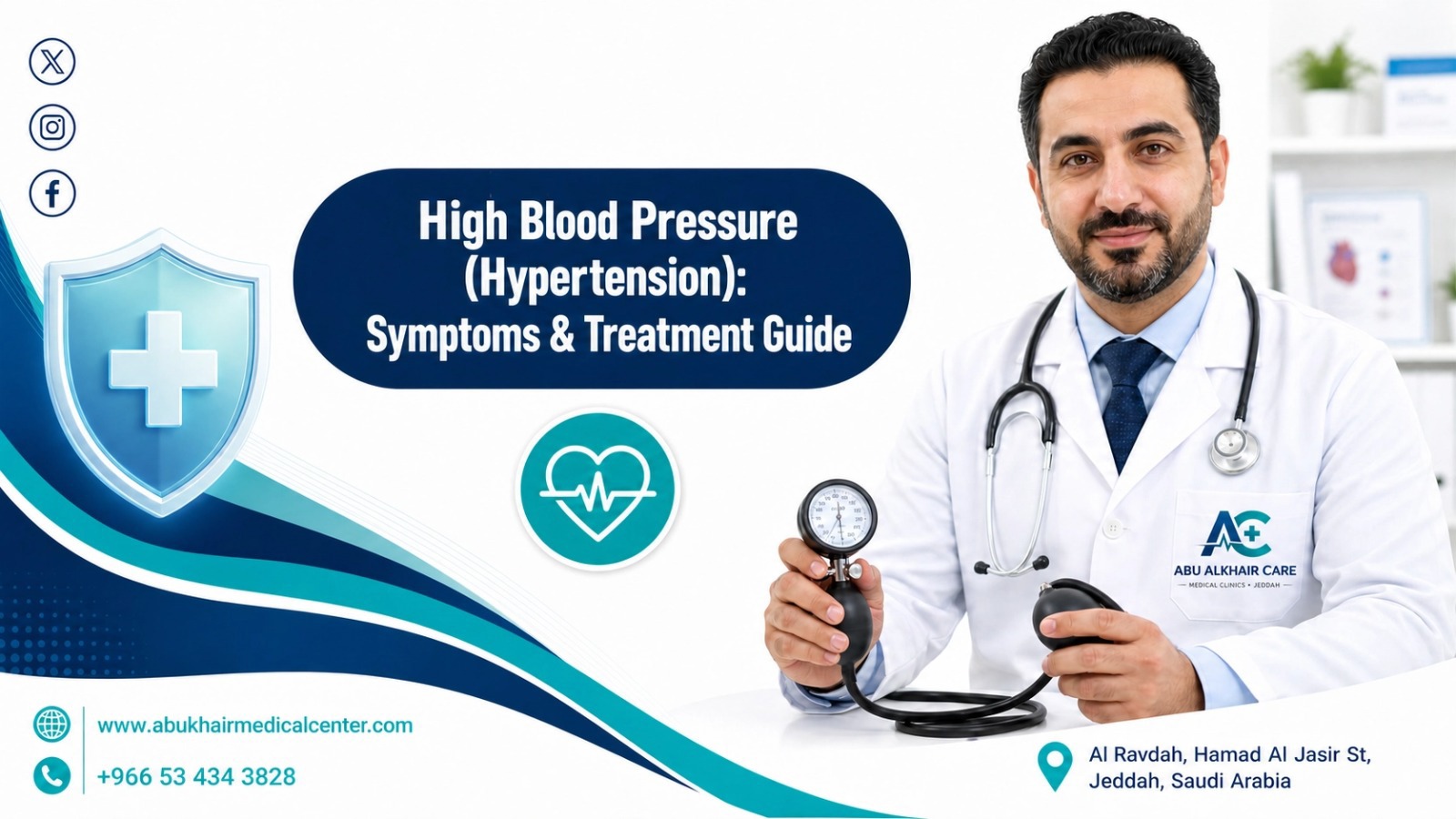
High Blood Pressure (Hypertension): Symptoms, Causes, Diagnosis, Treatment, and Prevention
High blood pressure, also known as hypertension, is one of the most common chronic health conditions worldwide and a major risk factor for heart disease, stroke, kidney disease, and other serious complications.
One of the biggest challenges with hypertension is that it often develops without noticeable symptoms. For this reason, it is frequently referred to as the "silent killer." Many people may have elevated blood pressure for years without realizing it, which is why regular blood pressure checks are essential.
Understanding the causes, recognizing risk factors, and seeking timely medical care can help reduce the risk of long-term complications and support better overall health.
What Is High Blood Pressure?
Blood pressure is the force of blood pushing against the walls of your arteries as your heart pumps blood throughout your body.
A blood pressure reading includes two numbers:
- Systolic pressure (the upper number), which measures the pressure when the heart contracts.
- Diastolic pressure (the lower number), which measures the pressure when the heart relaxes between beats.
A healthcare professional diagnoses hypertension based on repeated blood pressure measurements taken on separate occasions or with confirmed out-of-office monitoring, rather than a single elevated reading.
Why Is High Blood Pressure Called the "Silent Killer"?
Most people with high blood pressure do not experience symptoms, even when their readings are significantly elevated.
Without regular screening, hypertension may remain undetected while gradually damaging:
- The heart
- The brain
- The kidneys
- The eyes
- Blood vessels
This is why routine health checkups and blood pressure measurements are so important, particularly for adults with risk factors.
Can High Blood Pressure Cause Symptoms?
Most people have no symptoms.
However, some individuals may experience symptoms that warrant prompt medical evaluation, especially if blood pressure is very high or another condition is present.
Possible symptoms include:
- Persistent headaches
- Dizziness
- Blurred vision
- Shortness of breath
- Chest discomfort
- Nosebleeds (less common and not specific to hypertension)
These symptoms are not reliable indicators of hypertension, and many people with high blood pressure feel completely well. Conversely, these symptoms can also have many other causes.
Common Causes of High Blood Pressure
In many adults, no single cause can be identified. This is known as primary (essential) hypertension.
Some cases are related to an underlying medical condition or medication and are referred to as secondary hypertension.
Factors associated with elevated blood pressure include:
- Increasing age
- Family history of hypertension
- Overweight and obesity
- Physical inactivity
- High sodium intake
- Excessive alcohol consumption
- Smoking
- Chronic kidney disease
- Diabetes
- Obstructive sleep apnea
- Certain medications, such as some anti-inflammatory drugs or steroids
Risk Factors
You may have a higher risk of developing hypertension if you:
- Are over 40 years old
- Have a family history of high blood pressure
- Are overweight or obese
- Have diabetes
- Have high cholesterol
- Lead a sedentary lifestyle
- Eat a diet high in salt and processed foods
- Smoke
- Experience chronic stress
Having one or more risk factors does not necessarily mean you have hypertension, but regular screening is recommended.
How Is High Blood Pressure Diagnosed?
Diagnosis is based on more than one blood pressure reading.
Your healthcare provider may recommend:
- Blood pressure measurements during separate clinic visits
- Home blood pressure monitoring
- Ambulatory blood pressure monitoring (24-hour monitoring), when appropriate
Additional investigations may include:
- Blood glucose testing
- Lipid profile
- Kidney function tests
- Urinalysis
- Electrocardiogram (ECG)
- Other tests based on your medical history and examination
These tests help evaluate overall cardiovascular risk and identify possible complications or contributing conditions.
Why Early Diagnosis Matters
Uncontrolled hypertension can gradually damage several organs.
Possible complications include:
- Heart attack
- Stroke
- Heart failure
- Chronic kidney disease
- Vision problems
- Peripheral artery disease
Early diagnosis and appropriate management can significantly reduce these risks.
Treatment for High Blood Pressure
Treatment depends on your blood pressure level, overall cardiovascular risk, and other medical conditions.
Lifestyle Changes
Healthy lifestyle habits are the foundation of blood pressure management and may include:
- Following a balanced, heart-healthy eating pattern
- Reducing sodium intake
- Engaging in regular physical activity
- Maintaining a healthy weight
- Avoiding tobacco products
- Limiting alcohol intake
- Managing stress
- Getting adequate sleep
Medications
Some people also require medication to help control blood pressure.
Common classes of blood pressure medicines include:
- ACE inhibitors
- Angiotensin receptor blockers (ARBs)
- Calcium channel blockers
- Thiazide-type diuretics
The most appropriate medication depends on each person's medical history, other health conditions, and individual needs. Treatment should always be prescribed and monitored by a qualified healthcare professional.
Can High Blood Pressure Be Prevented?
Although not every case can be prevented, healthy habits can reduce the risk.
Helpful strategies include:
- Exercising regularly
- Maintaining a healthy weight
- Eating more fruits, vegetables, whole grains, and lean proteins
- Limiting processed foods and excess salt
- Avoiding smoking
- Managing chronic conditions such as diabetes
- Attending routine health checkups
When Should You See an Internal Medicine Doctor?
You should schedule an appointment if:
- Your blood pressure readings are consistently elevated.
- You have a family history of hypertension.
- You have diabetes or kidney disease.
- You are overweight and have additional cardiovascular risk factors.
- You experience symptoms that concern you, such as persistent headaches, chest discomfort, or shortness of breath.
- You need regular monitoring of your blood pressure or medication.
Routine follow-up allows your healthcare provider to assess your blood pressure over time, adjust treatment if needed, and help reduce the risk of complications.
Frequently Asked Questions
Can you have high blood pressure without symptoms?
Yes. Most people with hypertension have no symptoms, which is why regular blood pressure screening is essential.
What is considered normal blood pressure?
Your healthcare provider will interpret your blood pressure based on current clinical guidelines, your age, medical history, and repeated measurements rather than a single reading.
Can lifestyle changes lower blood pressure?
For many people, healthy lifestyle changes can improve blood pressure and reduce cardiovascular risk. Some individuals, however, also require medication.
How often should adults check their blood pressure?
The appropriate frequency depends on your age, health status, and risk factors. Your healthcare provider can recommend a monitoring schedule that is right for you.
Is hypertension curable?
Hypertension is generally a long-term condition that can often be effectively managed through lifestyle changes, medication when needed, and regular medical follow-up.
Conclusion
High blood pressure is a common condition that often develops without noticeable symptoms, making regular blood pressure checks an essential part of preventive healthcare. Early detection allows healthcare providers to identify elevated blood pressure before complications develop and to recommend appropriate lifestyle changes, monitoring, or treatment.
If you have risk factors such as diabetes, obesity, high cholesterol, or a family history of hypertension, routine screening and regular follow-up with an internal medicine physician can help protect your heart, kidneys, brain, and overall health.
For general education. This content does not replace a medical consultation.
Have a question about your health?
Book a visit with Abu Khair Care and get the care you deserve.